
🗣️ Hablamos español
Rainy Season Electrical Prep in the Bay Area: Generators, Transfer Switches & Outdoor GFCI
When the rain and wind arrive in the Bay Area, power outages often follow: falling branches, flooded equipment and storm damage can leave homes in San Leandro, Oakland, San Francisco and across the East Bay and SF Peninsula in the dark for hours. The best time to prepare your electrical system is before the first big storm, not during it. Here's what we check when homeowners ask us about backup power and storm prep.
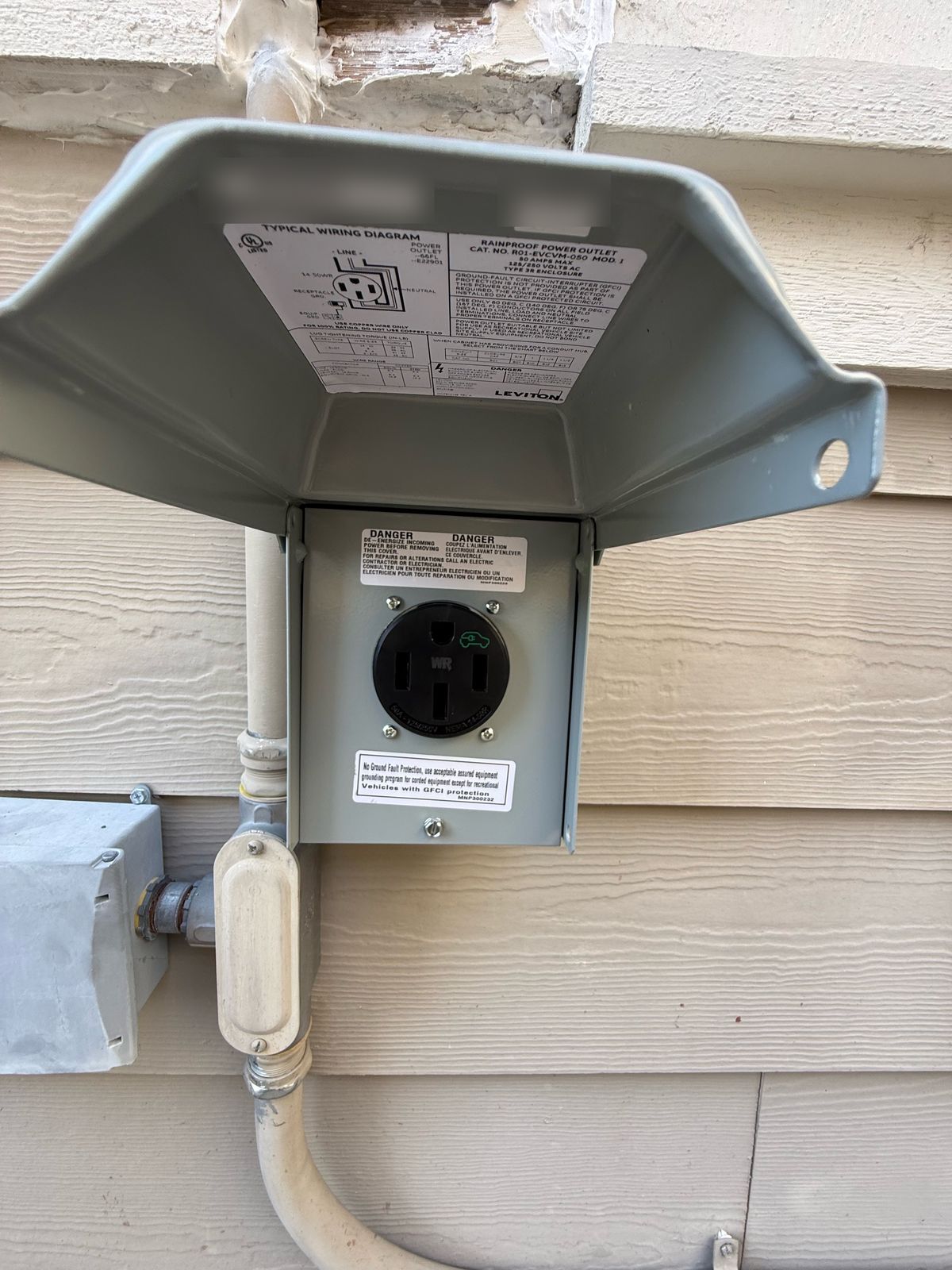
1. Portable vs standby generators: which fits your home?
There are two main types of backup generators, and the right one depends on what you want to keep running:
- Portable generator: the more common choice. It sits outside during an outage and powers a limited set of essential circuits, like the refrigerator, some lights, internet, a furnace fan or a sump pump. You start it and connect it yourself when the power goes out.
- Standby generator: permanently installed outside the home, usually running on natural gas or propane. It can start automatically when it senses an outage and can be sized to power much more of the house.
Before you buy anything, make a short list of the circuits you truly need during an outage. That list drives the generator size, the type of transfer equipment and whether your panel needs attention first.
2. Never backfeed a generator through a wall outlet
This is the most important safety rule in this article. Plugging a portable generator into a regular wall outlet or dryer outlet with a "double male" or "suicide" cord is called backfeeding, and it is extremely dangerous:
- It can send power back out onto the utility lines, where it can seriously injure or kill line workers restoring power
- It can energize your home's wiring in ways the outlet and cords were never designed for, creating a shock and fire risk
- When utility power comes back, it can damage the generator, your appliances and your wiring
The safe way to connect a generator to your home's wiring is a transfer switch or a listed interlock kit, installed by a licensed electrician. Also keep any portable generator outdoors, away from windows, doors and vents, because of carbon monoxide.
3. Transfer switches and interlocks: the safe connection
A transfer switch (or a panel interlock) makes it physically impossible for your home to be connected to the utility and the generator at the same time. A typical setup for a portable generator includes:
- A generator inlet box on the outside wall, so you plug the generator cord in outside instead of running cords through a window
- A transfer switch or interlock at or near your main panel
- Clearly labeled circuits so you know exactly what will run on generator power
For standby generators, an automatic transfer switch handles the changeover for you. In either case, this work usually requires an electrical permit and inspection. We pull the permit, install to code and coordinate the inspection. Learn more on our generator installation page.
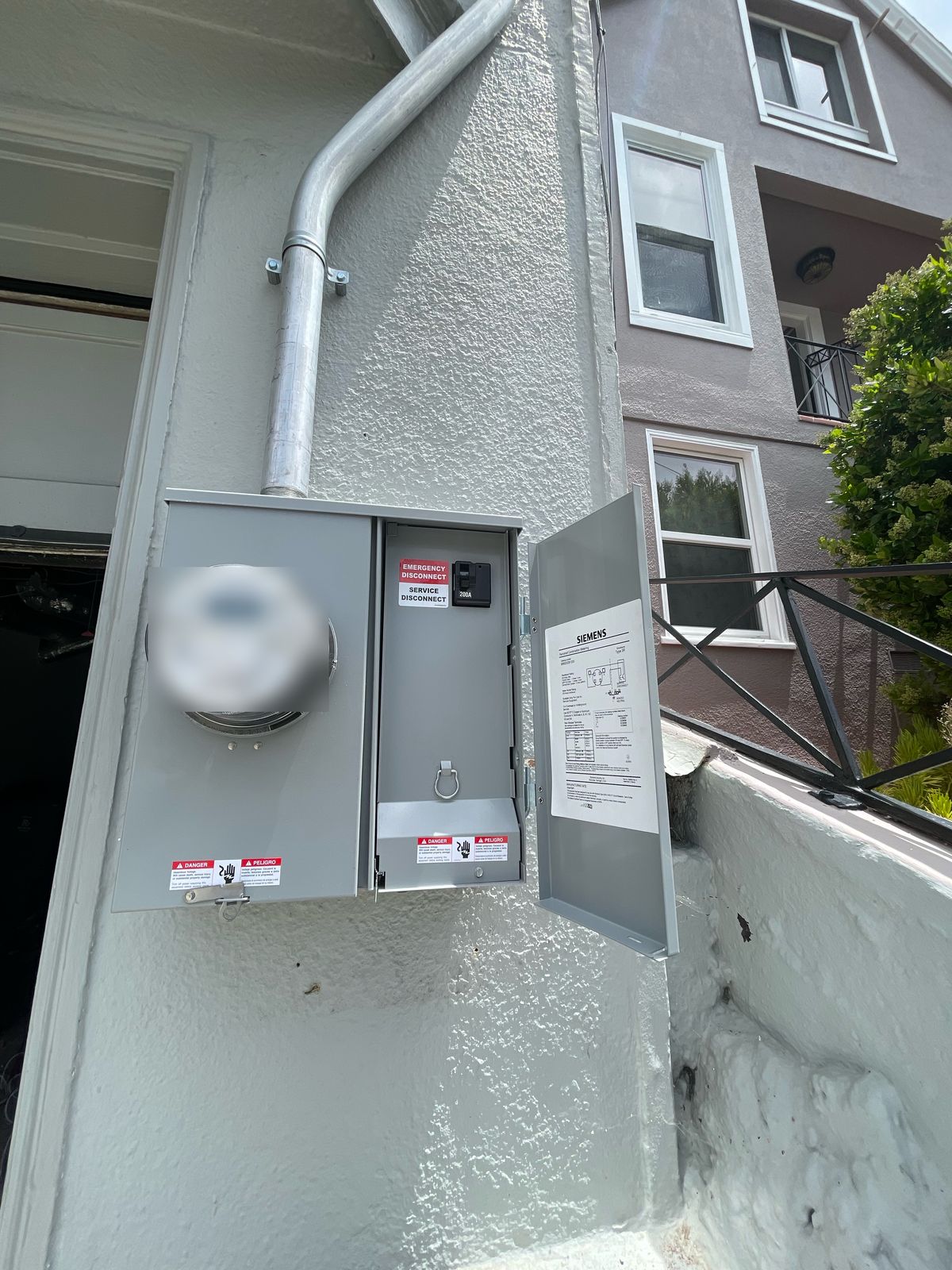
4. Outdoor GFCI outlets and weatherproof covers
Rain season is also when outdoor outlets cause the most trouble. Water and electricity don't mix, so before the storms hit, check that:
- Outdoor outlets are GFCI protected, which shuts power off quickly if current leaks to ground (through water or a person)
- Outlets have weatherproof "in-use" covers that stay closed even with something plugged in
- GFCIs actually trip and reset when you press the TEST and RESET buttons
- Covers, boxes and conduit aren't cracked, loose or letting water in
If an outdoor GFCI keeps tripping every time it rains, that's a sign of moisture getting into a box, a fixture or a damaged cord, and it should be checked rather than ignored. See our GFCI outlet services.
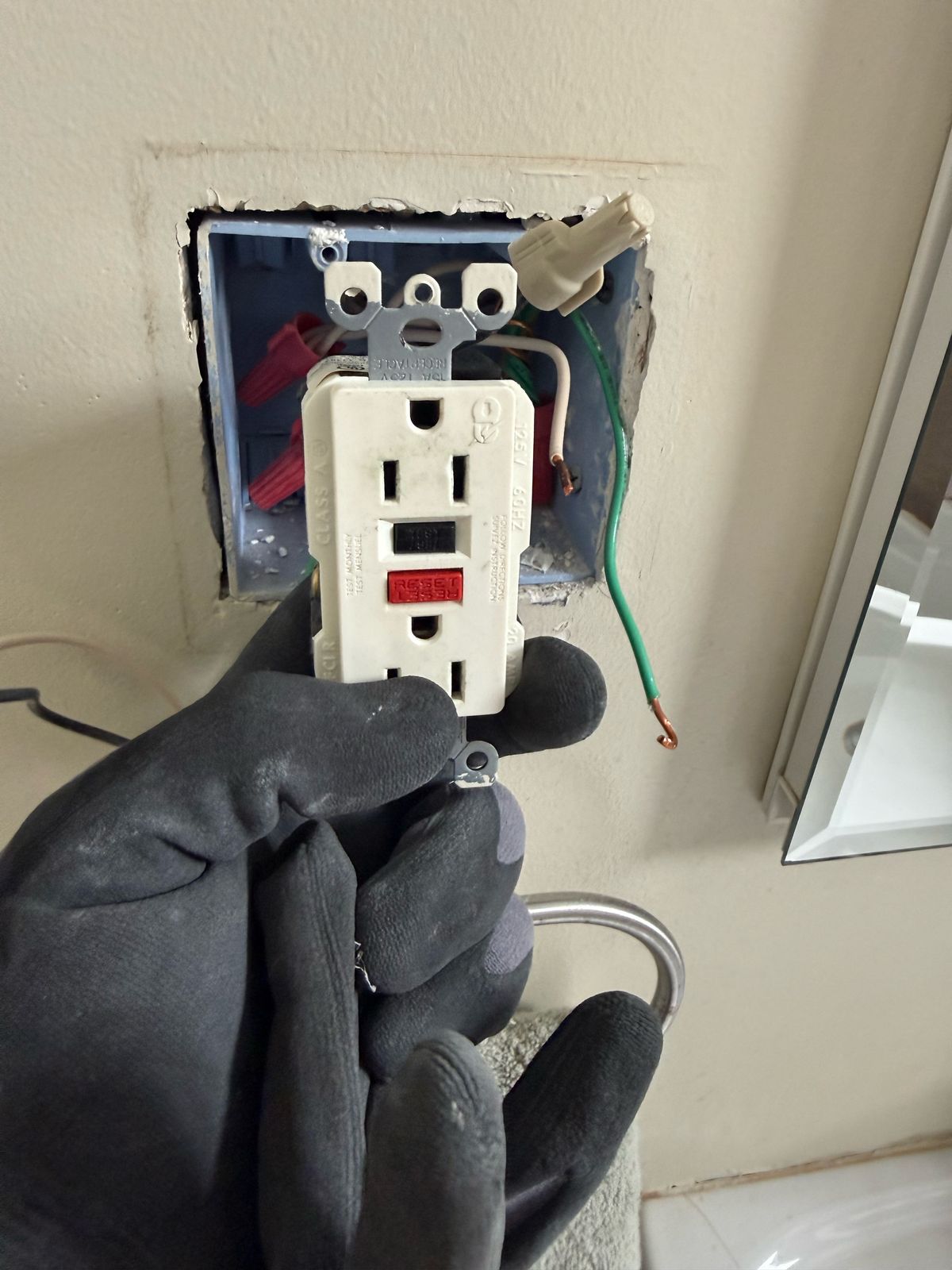
5. When a panel check matters before a generator
Adding a transfer switch or interlock connects directly to your electrical panel, so the panel's condition matters. We recommend a panel check before a generator project when:
- Your panel is old, shows rust, corrosion or water stains, or has breakers that feel warm
- It's a panel brand that should be replaced rather than modified
- There's no room for the breakers or interlock hardware the setup requires
- Your home has older service (many Bay Area homes still have 100A or less) and you're also planning an EV charger, heat pump or ADU
If the panel needs work, it often makes sense to plan the upgrade and the generator connection together. Read more about our panel upgrades.
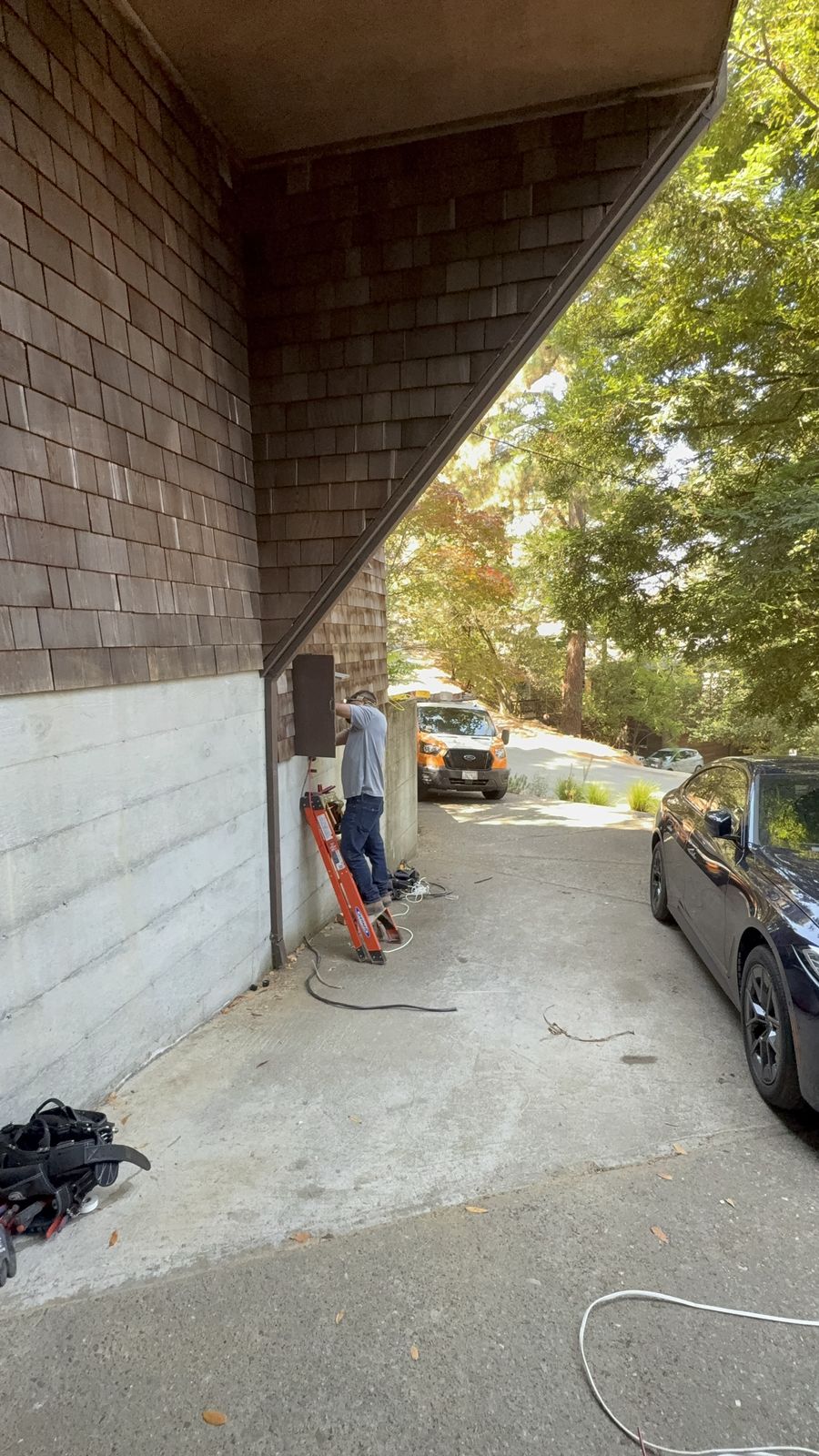
6. A quick rainy season checklist
- Test every outdoor GFCI and replace damaged weatherproof covers
- Trim branches away from the service drop and look for a loose or leaning service mast
- Make a list of the essential circuits you'd want on backup power
- Never use extension cords through windows or doors, and never backfeed through an outlet
- Have a licensed electrician install a transfer switch or interlock and an outdoor inlet before you need it
- Keep flashlights and a battery phone charger where everyone can find them
Get your home storm-ready
We're a family-owned, licensed, bonded and insured electrical contractor (CA C-10 #1132664) serving San Leandro, Oakland, San Francisco, Hayward, Alameda and nearby cities across the East Bay and SF Peninsula. Free estimates on most residential jobs. Hablamos español.
Call (415) 323-9494 or book online. Hours: Mon–Fri 8am–5pm · Sat 8am–4pm.
📞 Call (415) 323-9494 Book Online