
🗣️ Hablamos español
Space Heaters and Old Wiring: Winter Electrical Safety for Older Bay Area Homes
When the nights get cold in the Bay Area, a lot of families plug in a space heater: in the bedroom, the home office, the garage or the in-law unit. It's a simple way to stay warm. But in many older homes in the East Bay and San Francisco, the wiring behind the walls was installed decades ago, long before space heaters, home offices and big TVs were plugged in all over the house.
A space heater is one of the biggest loads you can plug into a regular outlet. On old wiring, that's when problems show up. Here's what to watch for this winter, from the electricians at Zion Electric in San Leandro.
Why space heaters are hard on old wiring
A space heater pulls a lot of power for hours at a time. That means:
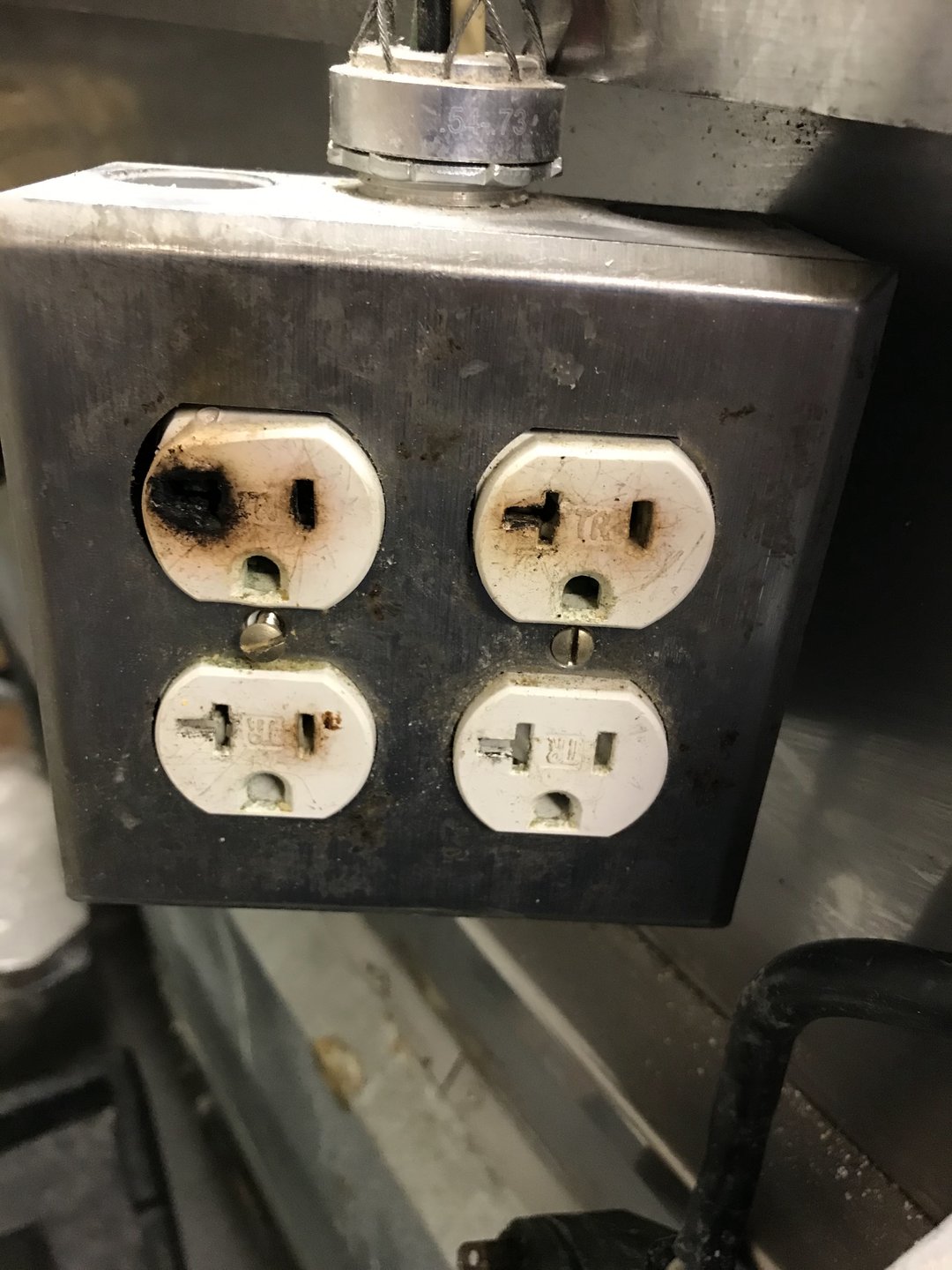
- Outlets and plugs heat up. A worn outlet with loose contacts can get hot, discolor or melt when a heater runs on it all night.
- Circuits get overloaded. In older homes, one circuit often feeds several rooms. A heater plus a hair dryer, a microwave or a computer on the same circuit can trip the breaker or blow a fuse.
- Old connections get stressed. Wiring that has been in the walls for 50, 70 or 100 years can have brittle insulation and loose splices. Heavy loads make those weak points worse.
If your breakers trip every time the heater kicks on, read our guide on why breakers keep tripping.
Warning signs your wiring needs attention
Call an electrician if you notice any of these:
- An outlet or plug that feels warm or hot to the touch
- Dark marks, scorching or melted plastic on an outlet or cover plate
- A burning or hot-plastic smell with no clear source
- Lights that dim or flicker when the heater turns on
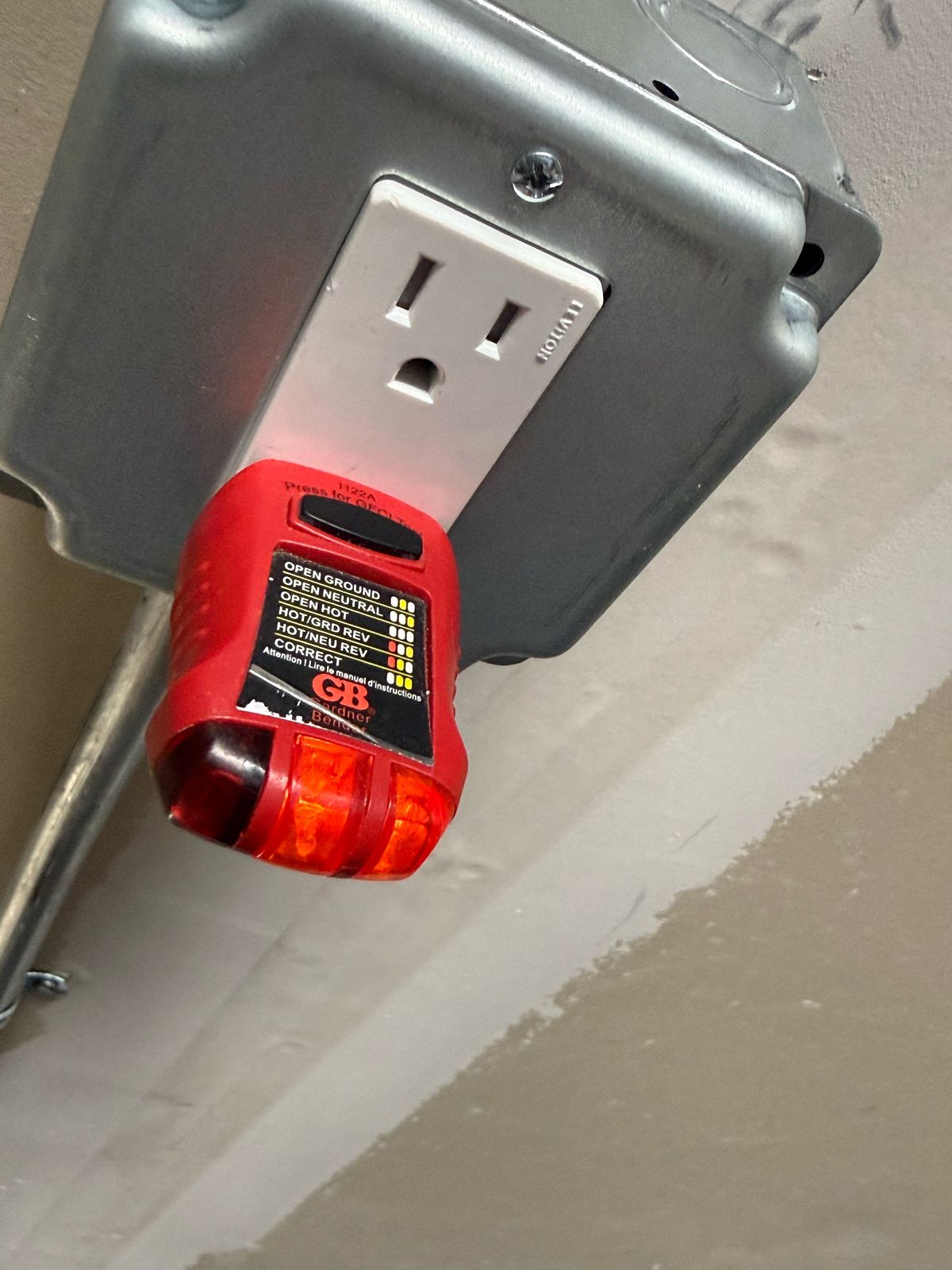
- Two-prong outlets with no ground, or three-prong outlets that test as ungrounded
- Breakers that trip often, or fuses that keep blowing
- Outlets that are loose, cracked or don't hold a plug tightly
Knob-and-tube and ungrounded wiring
Many older homes in Oakland, Alameda, San Francisco and San Leandro still have some original wiring:
- Knob-and-tube wiring, found in many homes built before the 1940s, uses porcelain knobs and tubes to run wires through the framing. It has no ground wire, and over time the insulation can dry out and crack.
- Ungrounded circuits with two-wire cable and no ground. Someone may have swapped in three-prong outlets without adding a ground, so the outlet looks modern but isn't.
This wiring was not designed for today's loads. Putting a space heater, a window AC or a home office on it adds stress it wasn't made to handle.
What an electrician can do
You don't always need to rewire the whole house. Depending on what we find, options include:
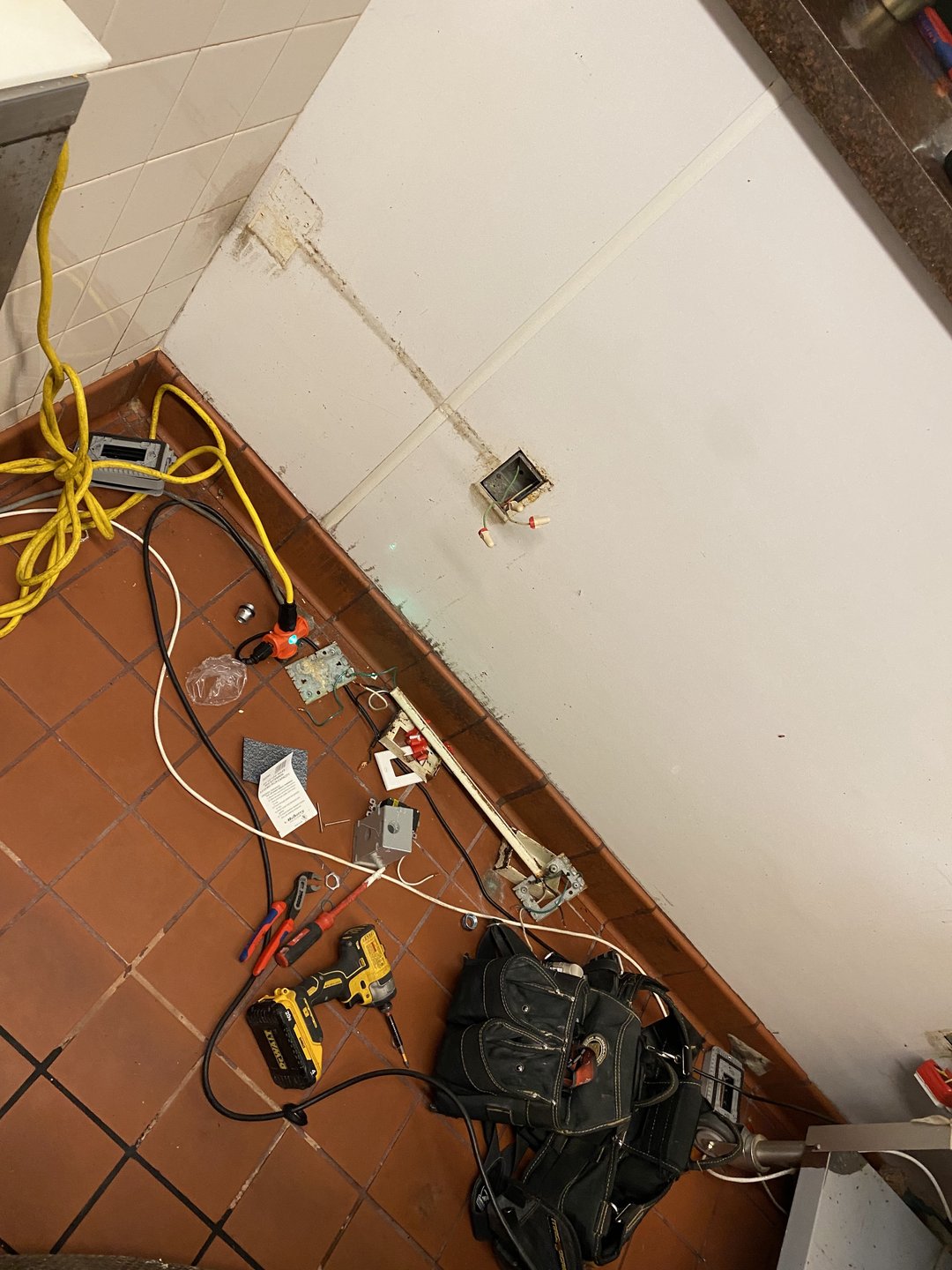
- Replace worn or burnt outlets and fix loose connections
- Add a dedicated circuit for a room where you use a heater every night, so it doesn't share a breaker with everything else
- Add GFCI protection where ungrounded outlets can't easily get a ground (an allowed code option in many cases)
- Replace knob-and-tube or ungrounded circuits, one area at a time or the whole home
- Check whether your panel can handle more circuits, or if it's time for an upgrade
See our home rewiring, electrical troubleshooting and GFCI & outlet installation pages. If your panel is old or full, see panel upgrades.
Space heater safety tips
- Plug the heater directly into a wall outlet. Don't use an extension cord or power strip.
- Don't run two heaters on the same circuit.
- Keep the heater at least 3 feet from beds, curtains, furniture and anything that can burn.
- Turn it off when you leave the room or go to sleep, unless it's made for that use.
- Check the plug and outlet now and then. If either feels hot, stop using it.
- Make sure your smoke detectors work. Test them and replace old units.
Frequently asked questions
Is it safe to use a space heater in a house with knob-and-tube wiring?
Old wiring can be in good or bad shape depending on the home. The only way to know is to have it inspected. Until then, avoid heavy loads on those circuits and watch for the warning signs above.
Do I need to rewire my whole house?
Not always. Many homes can be done in phases, starting with the circuits that carry the most load, like bedrooms, the kitchen and the bathrooms.
Do I need a permit?
Rewiring and new circuits generally need an electrical permit from your city or county. We pull the permit and coordinate the inspection when it's required.
¿Hablan español?
¡Sí! Hablamos español. Le explicamos todo en español.
Stay warm and safe this winter
Zion Electric Inc. is a family-owned, licensed and insured electrician (CA C-10 License #1132664) in San Leandro, serving the East Bay and the SF Peninsula, including San Leandro, Oakland, Alameda, Berkeley, Hayward, Daly City and San Francisco. Call or text (415) 323-9494 or request a visit online. Hours: Monday to Friday 8am to 5pm, Saturday 8am to 4pm. ¡Hablamos español!